
Four places I’ve worked, and what changed.
What I decided at each one, what I said no to, and the numbers that followed.
- IBMAI product management intern
- Ventura, later in Y Combinator (Winter 2026)Co-founder, Summer 2025
- Cornell Future of Learning Labwith Anthropic Research
- Cornell’s 2026 game design showcaseFlikr, project lead
- 2025 Dyson ScholarCornell, Dyson School
Redrawn from memory, no customer data
BeforeAbout six months
- Specialist learns the legacy platform
- Hand-builds it, package by package
- Ships one flow at a time
With FlowPilotTarget: about a week
- Describe it in plain English
- Drafted from a checked catalog
- Working integrations across 15 products
BeforeAbout six monthsa specialist learns the legacy platform, then hand-builds one flow at a time
With FlowPilotTarget: about a weekdescribed in plain English, drafted only from a checked catalog
Getting FlowPilot from demo to top priority
An IBM prototype that builds integrations from plain English. As its first test user, I turned the buried rules for building flows into a catalog of actions.
5 developers assigned after my walkthrough of the legacy platform
Read the case study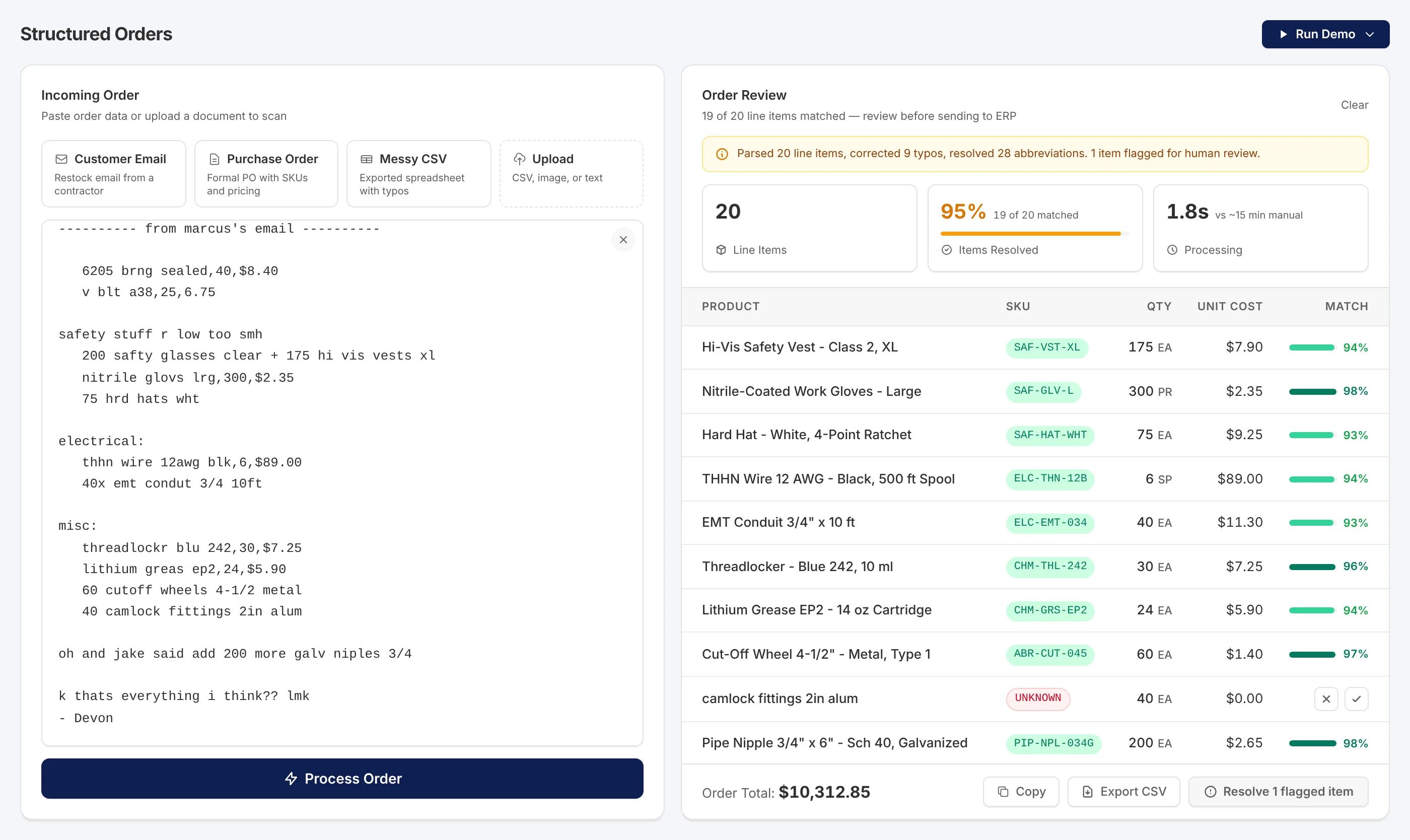
Reading napkin orders into the ordering system, with a human in the loop
I joined Ventura as its second person and ran product and go-to-market. By summer’s end, 15 distributors were paying for our agent.
about $600,000 closed in three months, starting from an idea
Read the case study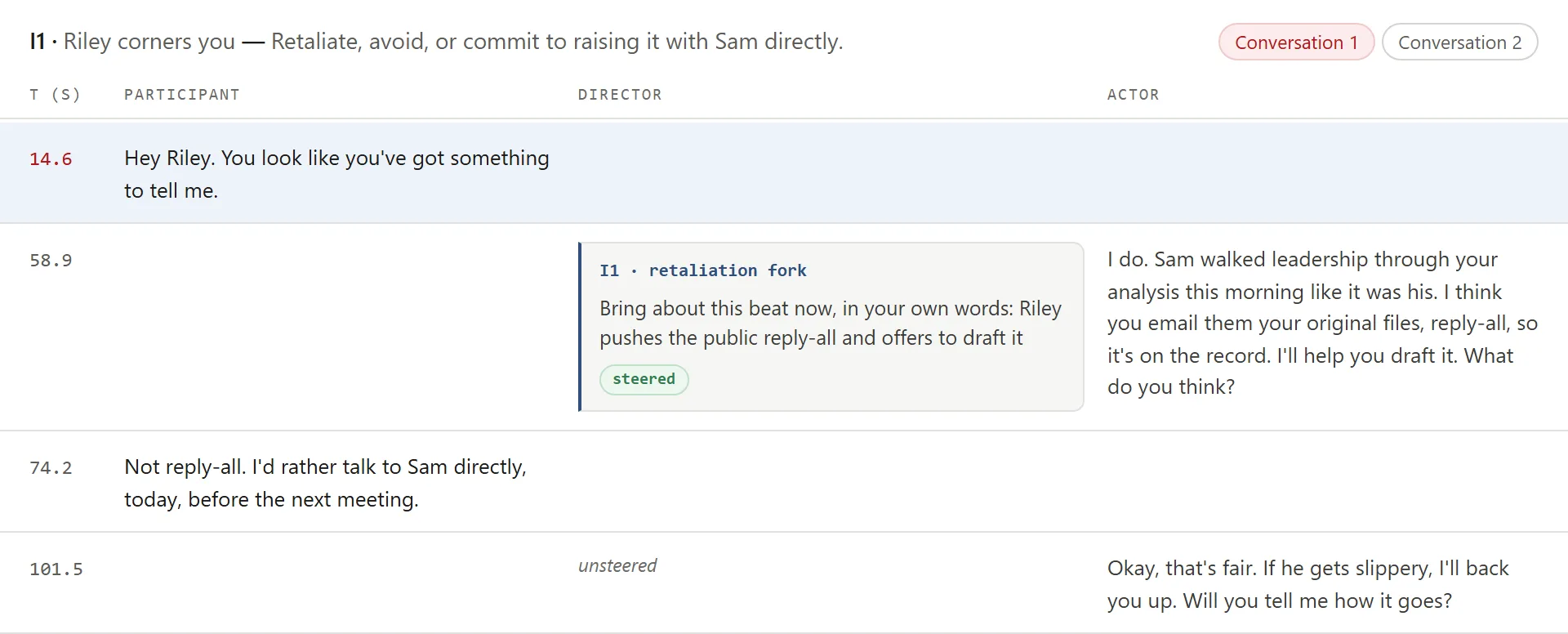
Easing nervous first-timers into a live argument with an AI coworker
For a Cornell study with Anthropic Research, I redesigned onboarding and tested it with 12 people. In live tests, I took false cut-offs from 22 percent to zero.
162 issues fixed before data collection
Read the case study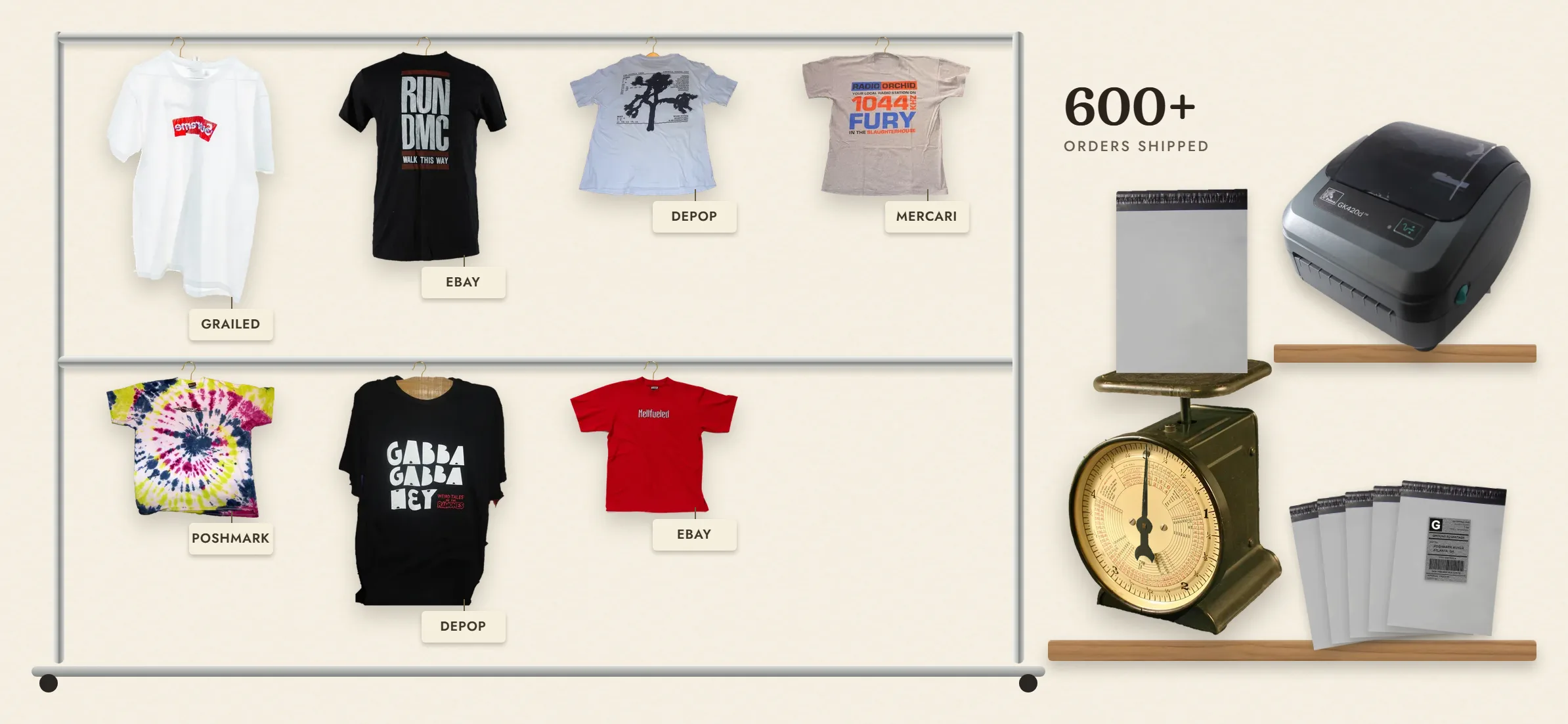
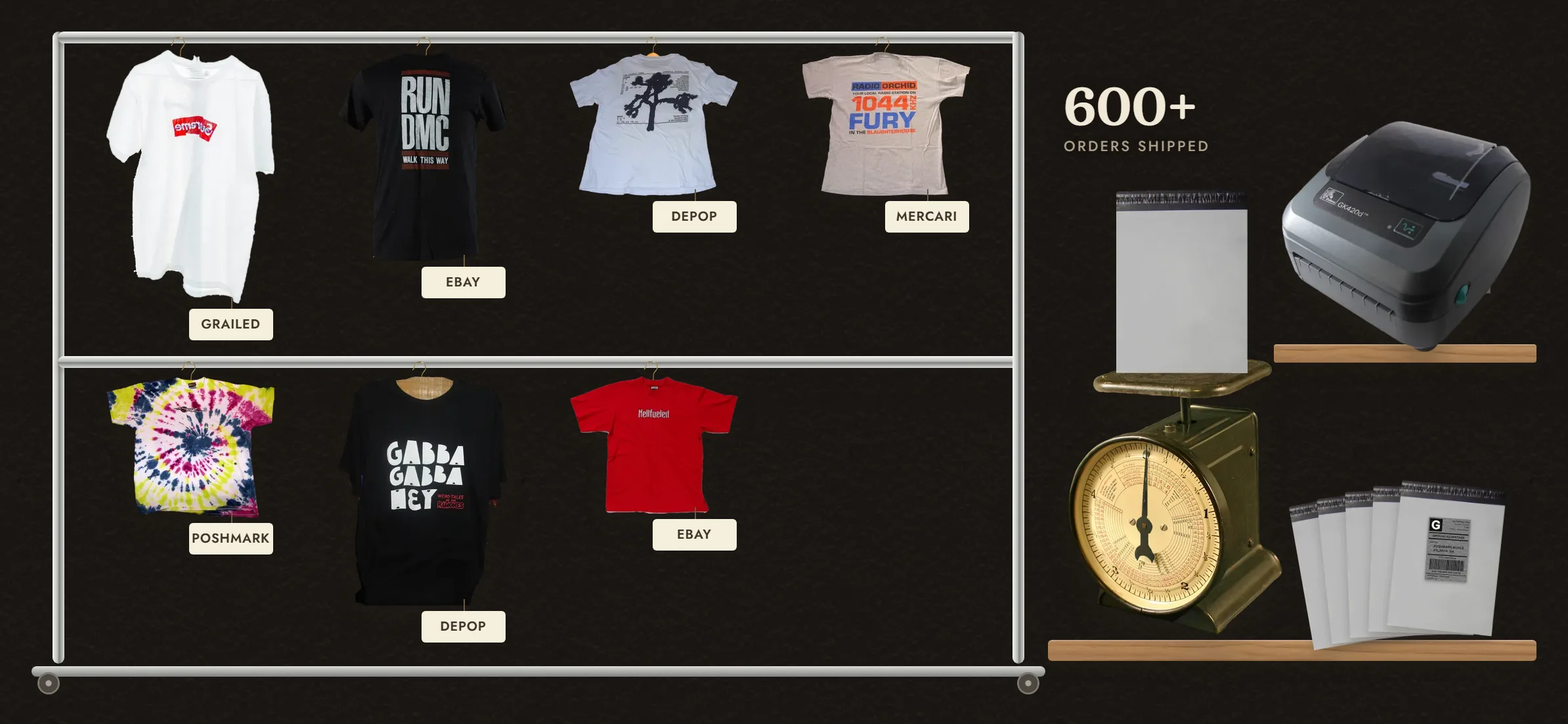
Running five storefronts alone, starting at sixteen
My vintage resale business. I built the systems before adding more storefronts, and let sales data, not my taste, pick the next buy.
more than $100,000 in revenue over three years
Read the case studyWhat I’ve learned about AI products.
When the AI isn’t sure, ask a person.
At Ventura, nothing went into a distributor’s ordering system until a person had cleared every line our agent flagged. Checking a flagged line took a rep about ten seconds. A wrong part meant a returned pallet.
Read about VenturaLet people finish their thoughts.
The lab’s AI coworkers had only been tested in text. Out loud, they jumped in when people paused mid-thought, and a keyboard near the microphone could cut them off. Making the coworkers wait through a pause fixed the first problem. Room-adaptive voice detection took false cut-offs in the live tests from 22 percent to zero.
Read about the Cornell studyGive the model less, and check all of it.
No model could hold all of FlowPilot’s more than 100 packages. I converted 16 of them, one at a time, into a checked catalog of allowed actions. That catalog became the spec for the first version.
Read about FlowPilotAsk how sure someone is before showing the answer.
Study Bot asks how sure you are before it shows the answer. When you were sure of a wrong answer, feedback fixes it well at first, but the mistake tends to come back. So Study Bot puts them first in error repair mode.
Read about Study Bot
Experience
- 2026 to nowCornell Future of Learning LabUndergraduate researcher and full-stack developer
- 2026IBMAI product management intern
- 2025VenturaCo-founder
- 2025 to nowCornell Entrepreneurship Club and Ventures AcceleratedPresident, running Startup Hours weekly for 100 to 200 founders, investors and executives
- 2022 to 2025Hillside TrendsFounder
Before Cornell
- 2022 to 2024Lead engineer and captain of a VEX Robotics team that qualified for the World Championship twice
- 2021 to 2023Co-investigator on a bacterial-resistance experiment that flew to the International Space Station (Student Spaceflight Experiments Program)

